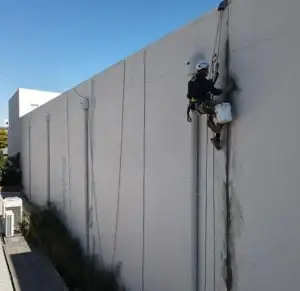
Anchor certifications and height safety – what you need to know
When working at height, safety is a priority. Anchor point certification or anchor point testing involves checking that your anchors meet all standards and operate safely. Read on to learn all you need to know about anchor certification.
Maintaining your Height Safety System
If you’re “a person conducting business or undertaking” (PCBU) then maintenance, inspections and testing are your responsibility. This responsibility might also carry over to designers, manufacturers, suppliers, and contractors. When it comes to maintenance and inspections, don’t think you need to do this yourself – all these services need to be carried out by a competent, reliable person.
When you enlist someone to check the condition of your anchors, any work must be carried out according to the recommendations of the manufacturer or another competent person. Inspections should be carried out at least once a year when it doesn’t seem practical to follow other recommendations.
Engaging a Certifier
You shouldn’t just choose anyone to certify your anchor systems. You need to ensure your certifier carries the relevant QBCC licences, insurances, and height safety certificates as well as a white card. They should also be qualified as a level 3 rope access technician. Insurance is important to ensure protection for you and your certifier, so it’s important you hire someone who carries public liability insurance, workers’ compensation insurance, and professional indemnity insurance.
Certifying Anchors
- Reliability: There should be no question about the anchor’s quality and configuration.
- Position: The anchor should be positioned so that the operative’s work position can be easily maintained.
- Safety: Anchors should be placed in an area where operatives can connect to and disconnect from the height safety system with no risk of a fall from height.
- Strength: It should have a static strength of at least 12kN for abseil use, 15kN for fall arrest or 21Kn for 2 person connection.
- Permanence: If the anchor is set up for permanent use, it must clearly carry the details of the manufacturer and installer, the load rating and direction, and the status following service and inspection.
Testing Anchors
Anchors are tested using either visual inspection or test loads. A visual inspection takes into account the fixing, any corrosion or fault, or any other factors that might make the anchor improper or unsafe for use. Test loads involve applying half of the intended load for at least three minutes to determine the performance of the anchor.
Recertification Documents
Recertification documents should include a:
- Conformance certificate, which might cover each anchor individually or provide a summary of the entire site.
- Calibration certificate, which covers load testing equipment and is only valid for 12 months.
- Inspection records, which your inspector will issue following their assessment of your anchor. These records are crucial to ensure continuing compliance and evidence that maintenance has been completed.
- Layouts, which involve a clear visual representation of the system.
- Load calculations documents, which the manufacturer supplies to summarise calculations for your site and provide evidence that the load carried by your system are within safety requirements.
- Testing and certification documents, which certify that your anchors have been tested by the manufacturer.
- Personal Protective Equipment (PPE), which lists any particular protective gear that might be required when using the system.
- Rescue, which details the ideal rescue method.
- Product brochures and instruction manuals, which are usually provided by the manufacturer.
- Site or product photos, which aren’t mandatory but help users to understand the nature of the site and to ensure product compliance over time.
- Exclusion Zones, which are areas that workers should not access.
- Requirements for testing and re-certification, which are done along with standard inspections.
The cost of non-compliance
The law dictates that PCBUs must provide and keep a safe work environment. Height safety is a crucial factor. If you are a PCBU, you are expected to know what is required to maintain safety on site; claiming ignorance will not be accepted if an unsafe worksite leads to negligence, serious injury, or death.
If an unsafe or non-compliant anchor has caused consequences, you may face a hefty fine and even jail time. According to the WHS Act, the highest penalty an individual could be liable to pay is $600,000. They could also face five years of imprisonment or a combination of both. If you’re a body corporate, the maximum penalty rises to $3,000,000.
Conclusion
Safety is paramount when working at height, and anchor certification is crucial to keeping a workplace free from accidents, serious injury, and even death. Staying on top of the certification requirements will ensure your site continues to operate safely and effectively for the duration of your project.
Give Fidato a call on 1800 343 286 to find out more or book your building to have your anchor points checked or recertified.
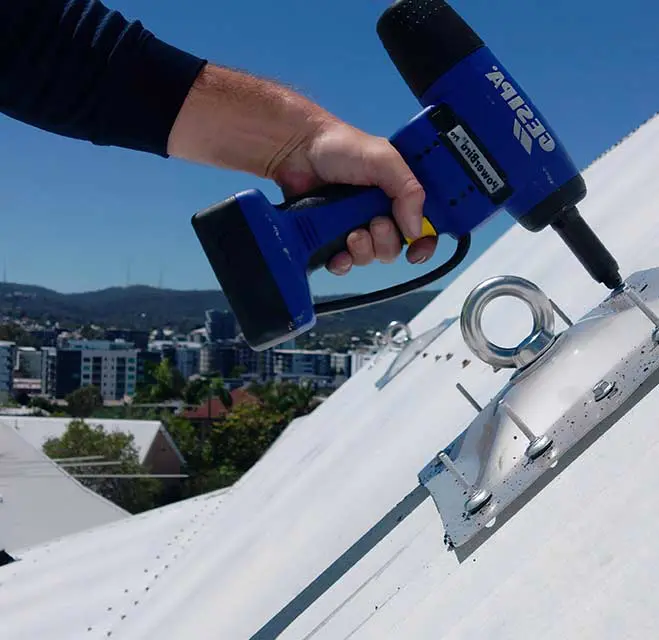
For those looking for in-depth information on anchor points, the Working at Heights Association Australia offers an excellent resource dedicated to this topic. You can explore their informative page here.
Additionally, Safe Work Australia provides a comprehensive and downloadable PDF guide titled “Managing the Risks of Falls in the Workplace.” This guide is essential for ensuring safety and compliance in work environments that involve heights.